AI Training That Teams Can Actually Use
A practical look at the AI trainings ONSPRY delivers with System in Motion, from public workshops to private team sessions.
AI training works best when it is practical, specific, and tied to the way people actually work. That is the point of the sessions ONSPRY has been running together with System in Motion: not to add more noise around AI, but to help people use it with confidence.
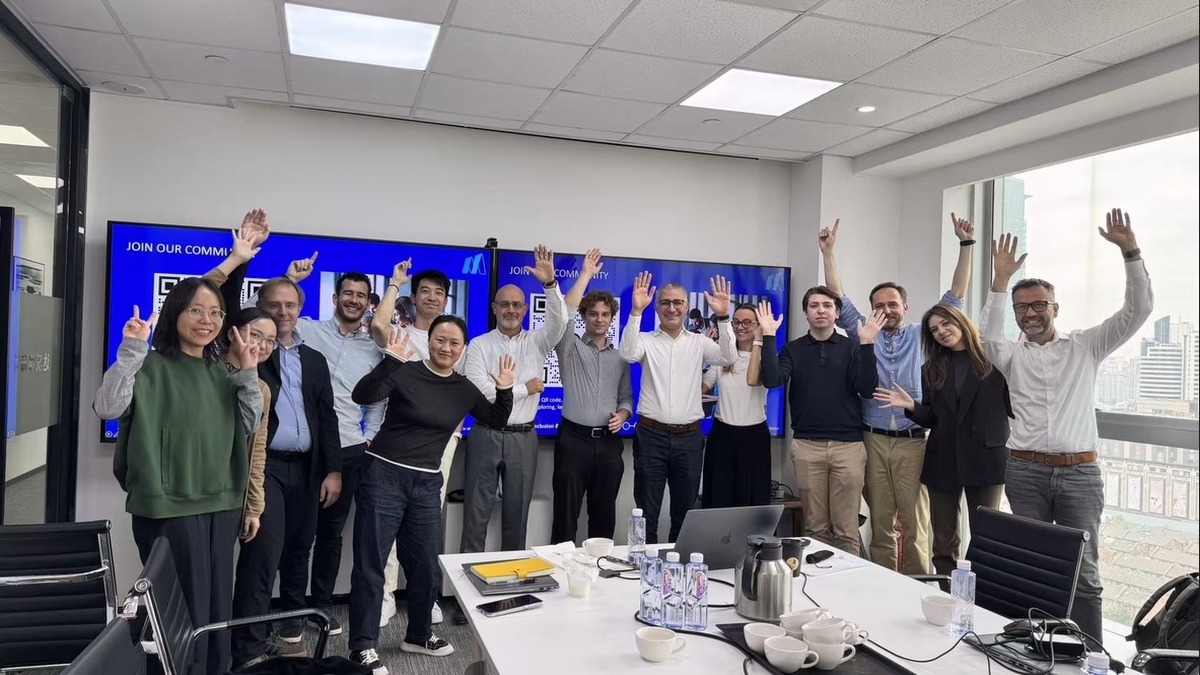
Public session in action
The setting changes, but the goal stays the same: give people something they can use the next day.
Why these sessions exist
Many teams are curious about AI, but curiosity alone does not change how work gets done. People need clear examples, realistic expectations, and enough structure to test ideas without losing control of quality or context.
That is why the training content is built around practical adoption: AI literacy for people who need a clear starting point, prompt engineering in a business context, workflow design that fits existing responsibilities, team adoption and shared understanding, and hands-on exercises that turn theory into action.
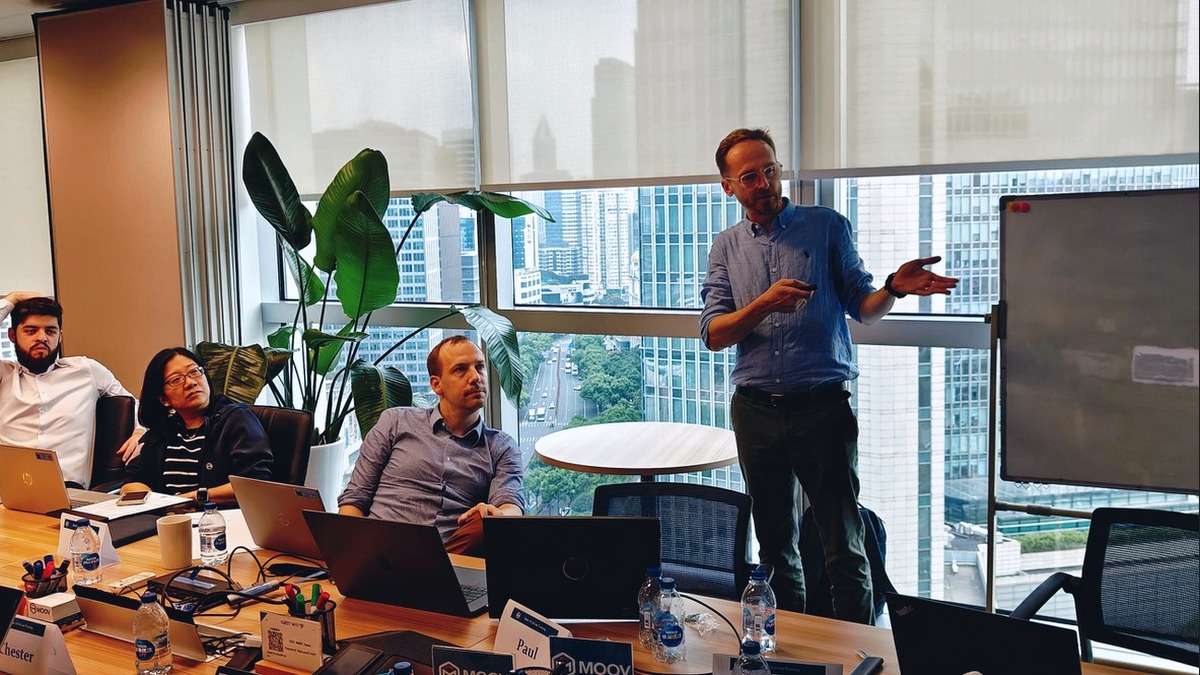
Private team workshop
The focus is not on chasing trends. It is on helping people understand where AI can genuinely save time, reduce friction, or support better decisions.
What we cover in the trainings
The content is designed around practical use, not abstract theory. Depending on the audience, sessions may include how to write better prompts, how to work with model limitations, how to identify use cases worth testing, how to build repeatable workflows, how to align teams around a shared way of using AI, and how to move from experimentation to adoption.
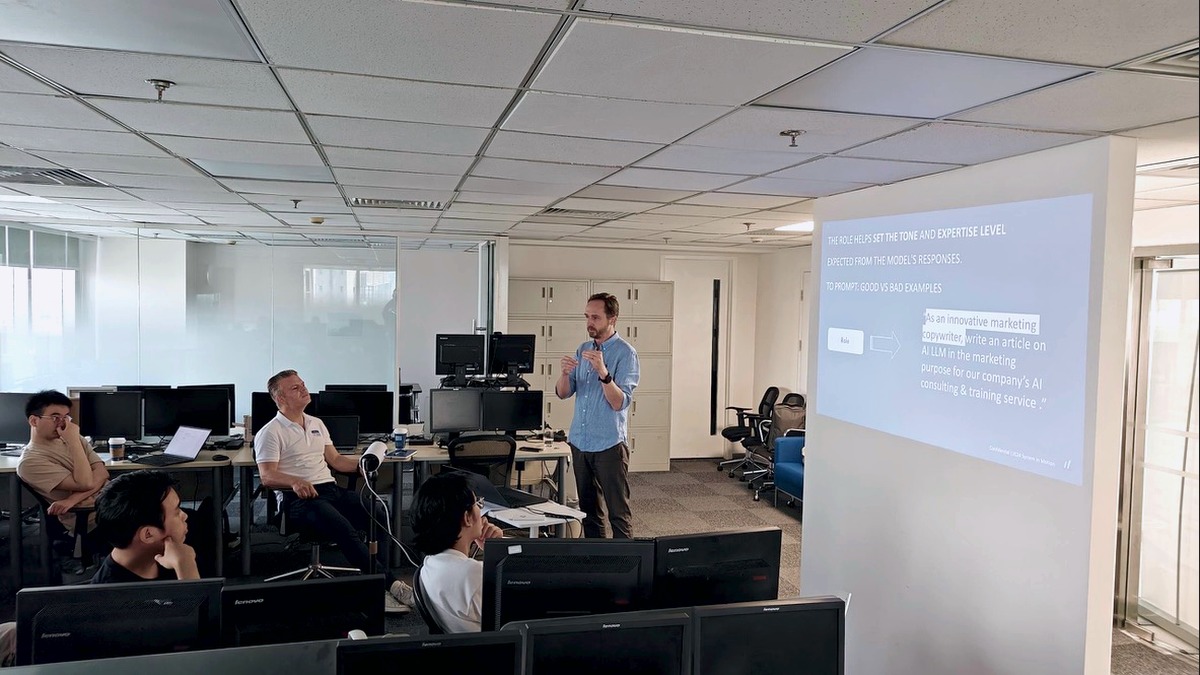
Hands-on instruction during the session
A good training session should do more than explain tools. It should help people understand how to apply them in a way that fits their actual work.
Working with System in Motion
The collaboration with System in Motion made it possible to bring these sessions to different audiences and different settings. Some events were public, which meant a broader mix of perspectives and questions in the room. Others were private, which allowed us to go deeper into a team's specific challenges and context.
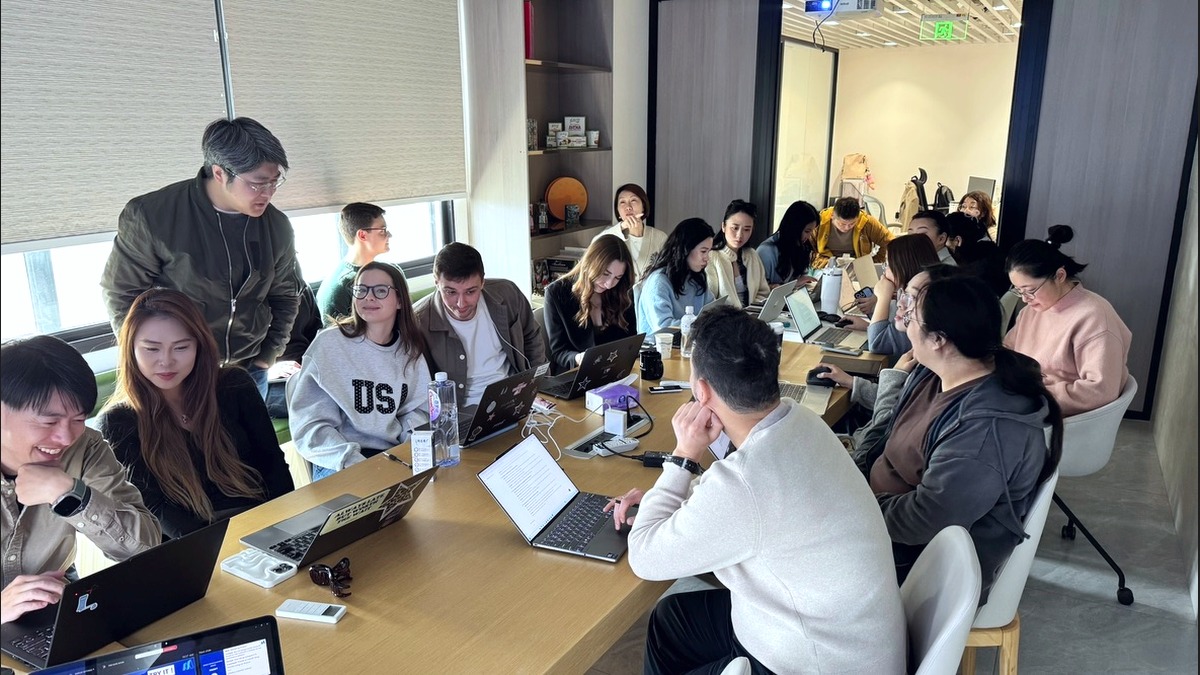
Group discussion in a workshop setting
In a public session, people often want a broader map of what AI can do. In a private session, the conversation becomes more operational: where to start, what to automate, what to avoid, and how to keep the human part of the process intact.
What people leave with
The best outcome is not excitement for its own sake. It is clarity. After a good session, people should leave with a better sense of what AI can and cannot do, practical ways to apply it in daily work, a shared language for discussing tools and workflows, more confidence in asking the right questions, and a clearer path from first use to meaningful adoption.
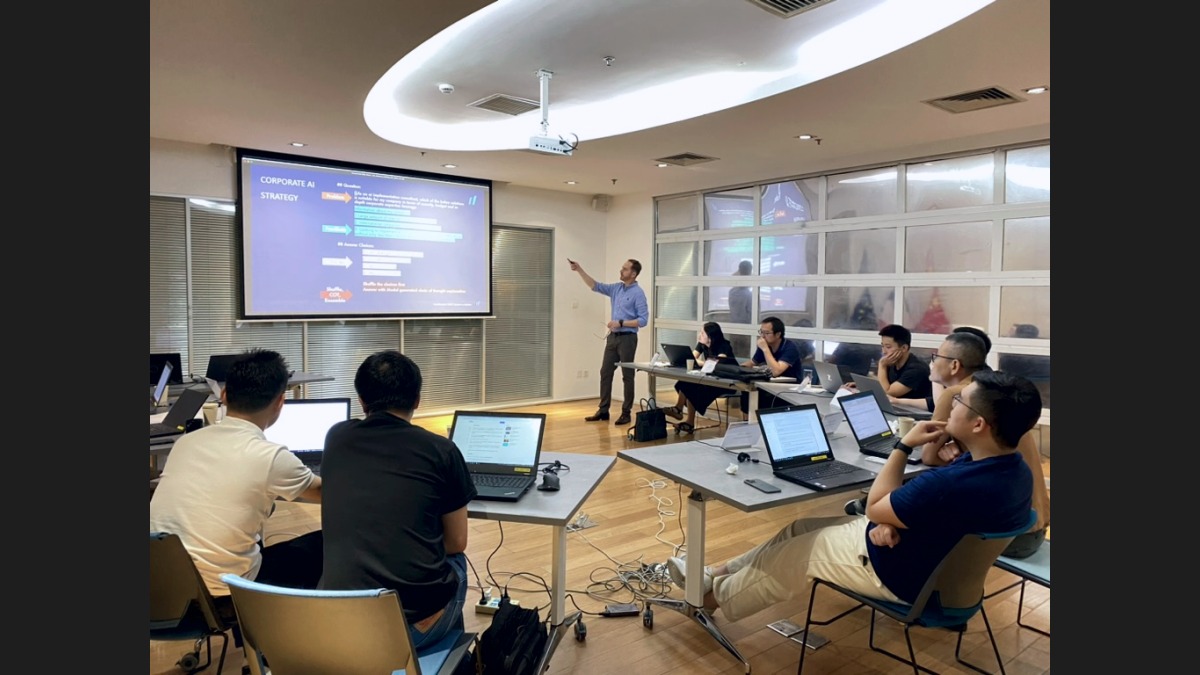
Participants during a workshop
Training should be concrete enough to be useful and calm enough to be trusted.
Why this matters
There is a lot of noise around AI right now. What most teams need is not more noise, but better judgment. That is where practical training helps. It makes AI less abstract and more usable.
That is the kind of work we want to keep doing with System in Motion: training that is useful, grounded, and built around real people in real environments.
Explore AI training options
If your team is exploring AI training, you can learn more on our Business Training page, browse upcoming System in Motion events, or get in touch.